
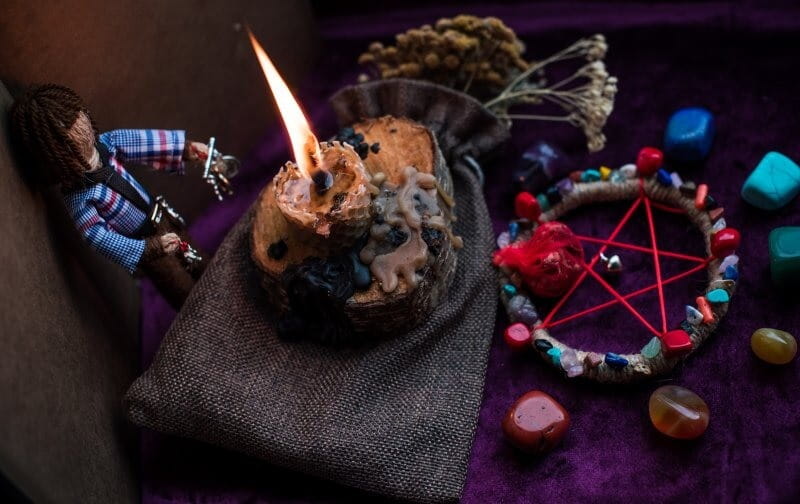
Heartbreak has a way of making everything else in life feel smaller. When someone is going through it, or just feeling stuck and unsure about where a relationship is headed, it’s natural to look for support wherever it can be found. For a lot of people across the United States, that search eventually leads them to spiritual traditions like voodoo healing and love spells, not as a replacement for real effort, but as another way of making sense of what they’re feeling.
Discover love spells and voodoo healing in the USA. Trusted spiritual guidance for heartbreak, relationships, and emotional well-being.
Voodoo healing comes from West African spiritual traditions that took root and evolved throughout the Caribbean and the Americas over centuries. It’s a rich, layered practice, and it looks different depending on who you ask. Broadly speaking, though, it tends to center around things like spiritual cleansing, prayer, meditation, and honoring ancestors, all in service of restoring some kind of emotional balance. People come to it for peace of mind as much as anything else.
Table of Contents
What a Love Spell Actually Is
There’s a stereotype out there that love spells are some kind of shortcut, a way to bend someone else’s will. Most serious practitioners will tell you that’s not really the point. A love spell, at its core, is a ritual meant to help someone focus their own intentions, whatever those might be. Think of it less as magic and more as a deliberate act of reflection, something that pushes a person to get honest with themselves about what they want.
That could mean working through the aftermath of a breakup. It could mean trying to rebuild trust that’s been damaged. Sometimes it’s about learning to communicate better with a partner, or simply building the kind of confidence that makes healthy relationships possible in the first place. What it shouldn’t be, and what any ethical practitioner will tell you it isn’t, is a tool for controlling someone else’s choices. Real relationships are built on consent and mutual respect, full stop.
Where Voodoo Healing Fits In
Voodoo has had a rough time in pop culture. Movies and TV have turned it into shorthand for something sinister, which has very little to do with how it’s actually practiced. Strip away the Hollywood version, and you’re left with a tradition that’s really about community, healing, and connection to one’s ancestors.
People turn to it for all kinds of reasons: stress that won’t let up, anxiety about a relationship, tension within a family, or just a general sense of being spiritually out of balance. A practitioner might suggest meditation, a cleansing ritual, or simply a conversation meant to help someone see their situation more clearly. None of that is meant to stand in for therapy or medical care. It’s meant to sit alongside it.
Why This Resonates With So Many Americans
Life in the US moves fast, and it doesn’t leave a lot of room to breathe. Between work, money worries, family obligations, and the general noise of modern life, it’s no wonder people are looking for something that slows them down and helps them reconnect with themselves.
A spiritual consultation can offer a kind of space that’s hard to find elsewhere: somewhere to talk honestly, get some reassurance during a hard stretch, and walk away with a little more clarity about what to do next. For a lot of people, pairing that reflection with real, practical steps is what actually helps them move forward.
Finding Someone You Can Trust
Not every practitioner is worth your time, and it’s worth being a little discerning here. The right person will be upfront about what they do and how they work. They’ll answer your questions without getting defensive, and they definitely won’t be pushing you toward extra sessions or big purchases every time you talk to them.
A few things worth watching for:
- They respect your beliefs and your right to make your own decisions
- They’re clear about what their practice actually involves
- They encourage healthy relationships, not dependency on them
- Their communication feels professional, not pressured
- They’re focused on helping you grow, not keeping you coming back out of fear
Good spiritual guidance should leave you feeling more capable, not more dependent.
It Usually Starts With Loving Yourself First
Before anyone can really open themselves up to a healthy relationship, there’s often some inner work to do. Forgiving old wounds, building genuine confidence, learning to sit with yourself without needing distraction. That’s the groundwork.
Some of the more common practices people lean on: daily meditation, prayer, gratitude journaling, affirmations, and cleansing rituals meant to clear out old emotional residue. Whether you look at these through a spiritual lens or a psychological one, they tend to do the same basic thing. They build resilience.
At the End of the Day, It’s Your Choice
Maybe the most consistent message across these traditions is that no one else is going to build your future for you. Spiritual guidance can offer comfort and a nudge in the right direction, but the real work of change comes from patience, honest communication, and a willingness to keep showing up for yourself and the people you care about.
Genuine connection is built on trust and honesty, not shortcuts. Spiritual practice, at its best, just helps clear away some of the noise so you can see that more clearly.
Closing Thoughts
Interest in love spells and voodoo healing keeps growing across the US, and it’s not hard to see why. People are looking for comfort, for perspective, for some sense of connection to something bigger than their day-to-day stress. If you’re considering exploring this path, go in with realistic expectations and an open mind rather than looking for a quick fix.
The transformations that actually stick tend to start small: a little more self-awareness, a little more honesty, a willingness to keep choosing growth even when it’s hard. Combine that with real communication and healthy decision-making, and you’ve got a real foundation for the kind of relationships and the kind of peace of mind that last.